
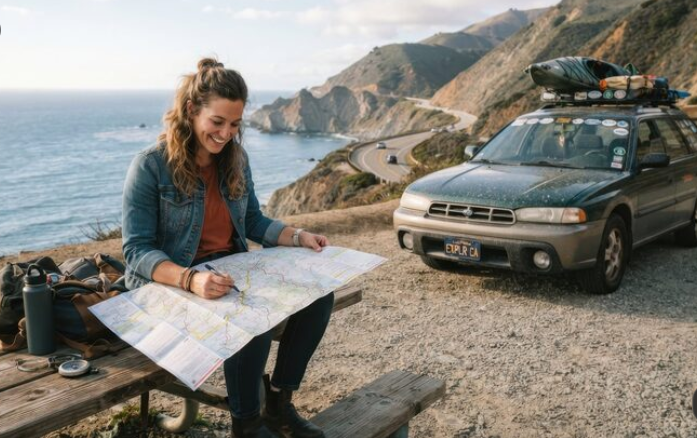
A long road trip offers the freedom to explore new places, stop at interesting locations, and travel at your own pace. However, a journey that feels effortless usually begins with thoughtful preparation. Small problems that are manageable close to home can become much more inconvenient on an unfamiliar highway.
Before setting off, car owners should consider both the condition of their vehicle and the demands of the journey. Checking tires, planning realistic driving days, organizing documents, and understanding the car’s limits can help prevent avoidable delays.
Whether you are planning a weekend escape or a journey across several regions, these essentials will help you prepare.
Start With Your Car’s Maintenance History
The first step is knowing whether your vehicle is ready for extended driving. Review its service history and check whether any scheduled maintenance will fall due during the trip.
If the car has an unresolved warning light, unusual vibration, fluid leak, or unfamiliar noise, arrange an inspection before departure. A road trip is a poor time to discover whether an existing problem will become worse.
When booking a service, explain the expected distance, terrain, and load. A fully packed car traveling through hills may face different demands from one used mainly for short urban journeys.
Allow time between maintenance and departure for a local drive. This gives you an opportunity to notice any issues before committing to a long route.
Check Tires Beyond Their Appearance
Tires affect braking, handling, comfort, and fuel consumption. A quick glance is useful, but it does not replace a proper check.
Inspect each tire for cuts, bulges, embedded objects, and uneven wear. Check tread condition and measure pressure when the tires are cold, following the vehicle manufacturer’s instructions.
Use the recommended pressure listed in the owner’s manual or vehicle placard. The figure molded onto the tire sidewall generally indicates a tire limit rather than the correct everyday setting for your car. Some vehicles specify different pressures for heavier loads.
Check the spare tire as well, if fitted. If your car uses a repair kit instead, confirm that its components are present and the sealant remains within its expiry date. Understand the kit’s limitations before you need it.
Inspect Fluids, Brakes, Lights, and Wipers
Follow the owner’s manual when checking engine oil, coolant, brake fluid, and washer fluid. Use the specified products, and investigate unexplained fluid loss instead of repeatedly topping it up. Never remove a hot cooling-system pressure cap.
Pay attention to braking behavior. Grinding noises, persistent vibration, pulling to one side, or a change in pedal feel deserve inspection before travel.
Test the headlights, indicators, brake lights, and hazard lights. Clean the windshield inside and outside, and replace wipers that leave streaks or fail to clear water effectively.
Visibility problems can become particularly tiring during a long journey, especially in rain, glare, or darkness.
Plan a Route With Realistic Driving Days
A navigation app’s arrival estimate is only a starting point. It may not fully account for meal breaks, fuel stops, queues, poor weather, or the pace your passengers need.
Build flexibility into the itinerary. Identify suitable places to stop and consider an alternative route where practical. Download offline maps if parts of the journey may have unreliable mobile coverage.
Review road conditions, closures, weather forecasts, and local driving requirements close to departure using relevant official sources.
Avoid making a distant hotel booking the reason you continue driving while tired. A manageable daily distance makes the journey more comfortable and leaves room for unexpected delays.
Understand Your Vehicle’s Range
Know how far your car can comfortably travel between fuel or charging stops under the conditions you expect.
A loaded vehicle, steep roads, traffic, strong winds, and climate-control use can affect consumption. Plan stops with a sensible reserve rather than relying on the maximum range displayed on the dashboard.
For an electric vehicle, identify compatible charging locations and backup options. Consider charging time as part of the schedule, and check station availability near departure.
For any vehicle, remote sections require more preparation than routes with frequent services. Mark reliable stopping points before entering areas where options become limited.
Pack Within the Car’s Limits
A spacious boot does not mean a vehicle has unlimited carrying capacity. Check the manufacturer’s load limits, including any separate restrictions for roof racks or roof boxes.
Position heavier luggage low down and secure it so it cannot move during sudden braking. Keep loose objects away from the driver’s footwell, and avoid stacking bags where they obstruct visibility.
Roof loads can affect handling and increase overall height. Keep that extra height in mind when entering parking garages or passing beneath low structures.
Store frequently needed items where passengers can reach them safely, without unpacking the car beside the road.
Organize Documents and Emergency Essentials
Before leaving, check that your driving documents, vehicle registration, insurance, and any route-specific permits are valid and accessible. Requirements vary by location, so verify those that apply to your journey.
Save roadside-assistance details and understand what your cover includes, such as towing limits or help in remote areas.
Useful supplies include drinking water, a flashlight, a charging cable, a power bank, and a basic first-aid kit. Carry the equipment supplied for your vehicle and learn how to use it safely.
If the car breaks down, prioritize reaching a safe position and follow local roadside guidance. Attempting a repair beside fast-moving traffic can create a greater danger than the mechanical problem itself.
Make Driver Alertness Part of the Plan
Vehicle preparation cannot compensate for an exhausted driver. Begin the journey well rested and schedule regular opportunities to stop.
Frequent yawning, difficulty concentrating, drifting within a lane, or missing signs are reasons to stop driving safely. An open window or loud music does not resolve fatigue.
Share driving only with someone who is licensed, insured as required, and comfortable handling the vehicle. Set navigation and adjust essential controls before moving, and let a passenger manage messages or route changes where possible.
Driving-assistance features also require attention. Understand their limitations and remain responsible for steering, speed, and the road ahead.
Prepare for Passenger Comfort
Comfort affects how smoothly the whole journey runs. Adjust seats and head restraints before departure, and ensure every passenger uses the appropriate restraint. Children need a suitable child seat or restraint for their size and applicable local requirements.
Plan breaks around passengers’ needs, especially when traveling with children, older adults, or pets. Secure pets appropriately and never leave them unattended in a parked vehicle.
Keep water, simple snacks, and necessary personal items accessible. A comfortable cabin and a flexible schedule can reduce distractions and make long hours more manageable.
Leave Time for One Final Check
Before departure, walk around the vehicle, look for fresh leaks or tire damage, confirm that luggage is secure, and check your fuel or charge level. Make sure essential documents, keys, phones, and chargers are with you.
The best preparation brings the car, route, and people into the same plan. A well-maintained vehicle needs a realistic schedule, and a carefully chosen route still needs an alert driver. Taking care of these details before leaving gives you more freedom to enjoy the journey once it begins.
Read more: Why Traditional Art Techniques Still Matter in a Digital World
Comments