
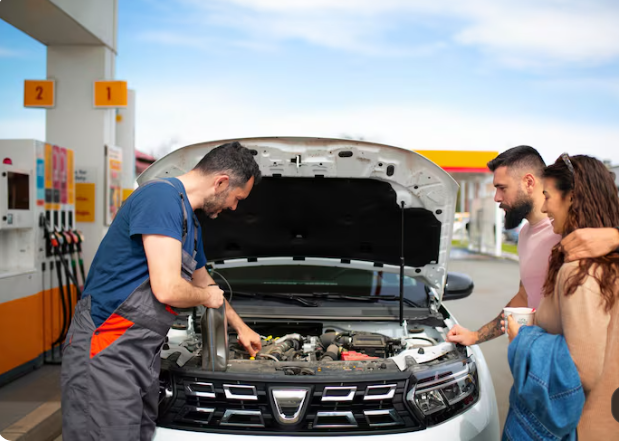
A vehicle’s lifespan depends on more than its age or mileage. How you drive, respond to warning signs, and maintain essential components all influence how well it performs over time. Small problems left unattended can develop into expensive repairs, while consistent care can help keep a vehicle dependable for years.
Good maintenance starts with understanding your particular car. Engine types, transmissions, service intervals, and fluid requirements vary, so the owner’s manual should guide your decisions. Combine those instructions with the following habits to reduce avoidable wear and catch problems early.
Follow the Manufacturer’s Maintenance Schedule
One of the most effective habits is keeping track of scheduled servicing. Manufacturers specify maintenance based on distance traveled, time elapsed, or both. Even a car driven infrequently may need attention because fluids, rubber components, and batteries deteriorate with age.
Avoid assuming that every vehicle needs the same service at the same mileage. Your car may also have a separate schedule for demanding conditions, such as frequent short trips, dusty roads, heavy towing, or prolonged stop-and-go driving.
Keep a simple record of completed work, including dates, mileage, and replacement parts. This helps prevent missed services and makes it easier to identify recurring issues.
Check Engine Oil and Replace It on Time
Engine oil lubricates moving components and helps manage heat and contamination. Running an engine with insufficient oil or using an unsuitable specification can cause serious damage.
Check the oil level using the method described in your manual. Some vehicles use a dipstick, while others provide an electronic measurement. Follow the specified conditions for an accurate reading and avoid overfilling.
Use oil that meets the manufacturer’s required viscosity and performance specifications. Change the oil and filter at the recommended interval rather than relying on appearance alone.
If the oil level repeatedly drops, arrange an inspection. A recurring need to top up may indicate a leak or excessive oil consumption.
Maintain Correct Tire Pressure
Tires affect handling, braking, ride comfort, and fuel consumption. Incorrect pressure can also cause uneven wear and shorten tire life.
Check pressures regularly when the tires are cold, and use the vehicle’s recommended settings. These are usually listed on the driver’s door placard or in the manual. The pressure printed on a tire’s sidewall is not the vehicle’s recommended everyday setting.
Inspect tires for cuts, bulges, embedded objects, and uneven tread wear. Rotate them according to the manufacturer’s instructions, accounting for directional tires or different front and rear sizes.
If the car pulls to one side or develops an unusual vibration, have it checked. Tire damage, wheel balance, alignment, or suspension wear may be involved.
Pay Attention to the Cooling System
An overheating engine can suffer severe damage. Maintaining the cooling system helps prevent problems that may begin with a small leak or deteriorated hose.
Check the coolant level as directed in the manual, typically with the engine cold. Use the specified coolant type and mixture, and follow the recommended replacement schedule. Different coolants are not automatically interchangeable.
Never open a pressurized coolant cap while the engine is hot. If the temperature warning appears or the gauge rises abnormally, stop safely and follow the vehicle’s instructions. Continuing to drive can make the damage worse.
Coolant loss, visible leaks, or repeated overheating require diagnosis rather than repeated topping up.
Inspect Brakes Before Problems Become Serious
Brake components wear through normal use, but changes in performance deserve prompt attention. Grinding, persistent squealing, vibration during braking, or a change in pedal feel can signal a problem.
Have brake pads, discs, hoses, and related components inspected at the specified intervals. Brake fluid also needs periodic attention because its condition affects system performance.
Avoid treating a low brake-fluid level as a routine top-up job. It can reflect pad wear or a leak, so the cause should be checked.
Driving smoothly helps limit unnecessary brake wear. Leave sufficient following distance and anticipate traffic changes so that frequent hard braking becomes less necessary.
Replace Filters When Needed
Filters protect important systems from dirt and contamination. A neglected engine air filter can restrict airflow, while an overdue cabin filter can reduce ventilation performance.
Follow the replacement schedule and inspect filters more frequently if you regularly drive in dusty conditions. Fuel filters also require attention on vehicles with a specified service interval.
Use replacement filters that meet the vehicle’s requirements. A part that fits physically may still have unsuitable filtration or flow characteristics.
Care for the Battery and Electrical System
A weak battery can cause starting problems and unpredictable electrical behavior. During routine servicing, have the battery’s condition and connections checked, especially if starting becomes slow.
Frequent short journeys may not fully replenish the energy used to start the engine. Vehicles left unused for extended periods may benefit from a compatible maintenance charger, used according to the manufacturer’s instructions.
Keep battery terminals secure and free from excessive corrosion. Cars with stop-start systems may require a particular battery type and a registration or reset procedure after replacement.
Drive Gently, Especially After Starting
Driving habits influence wear throughout the engine, transmission, brakes, and suspension.
After starting, drive gently until the vehicle reaches normal operating temperature. Avoid heavy acceleration or high engine speeds while it is cold. Extended idling is generally unnecessary unless the manufacturer specifies otherwise or conditions require it.
Come to a complete stop before switching between forward and reverse. Follow the manual’s instructions for towing, hill driving, and transmission use.
Slow down for potholes and speed bumps, and avoid carrying unnecessary loads. Repeated impacts and excess weight place additional strain on tires, suspension, and other components.
Protect the Body and Underside
Mechanical maintenance matters, but corrosion and neglected body damage can also shorten a vehicle’s useful life.
Wash away accumulated dirt, bird droppings, and road contaminants. Pay attention to the underside if the vehicle is exposed to road salt or coastal conditions, using cleaning methods appropriate for the car.
Inspect paint chips and scratches before corrosion spreads. Keep drainage channels clear where the manufacturer recommends, and investigate persistent dampness inside the cabin.
Regular cleaning also creates opportunities to notice fluid leaks, damaged seals, and loose trim.
Respond Early to Changes
You know how your car normally sounds and feels. New rattles, unusual smells, reduced performance, or warning lights are reasons to investigate.
Check the manual to understand each warning. Some require immediate action, while others call for a service appointment. An oil-pressure warning or overheating alert should never be treated like an ordinary maintenance reminder.
Describe symptoms clearly to your mechanic, including when they occur and whether the engine is cold, warm, accelerating, or braking. Early diagnosis often prevents a minor fault from affecting surrounding components.
Build a Routine You Can Maintain
Extending a vehicle’s lifespan does not require constant attention. It requires a reliable routine: follow the service schedule, check essential levels and tire pressures, drive smoothly, and act when something changes.
Choose maintenance based on the vehicle’s documented needs and condition. With consistent care and timely repairs, you give your car the best opportunity to remain reliable, comfortable, and useful for many years.
Read more: How Smart Automotive Technology Is Changing the Everyday Driving Experience