
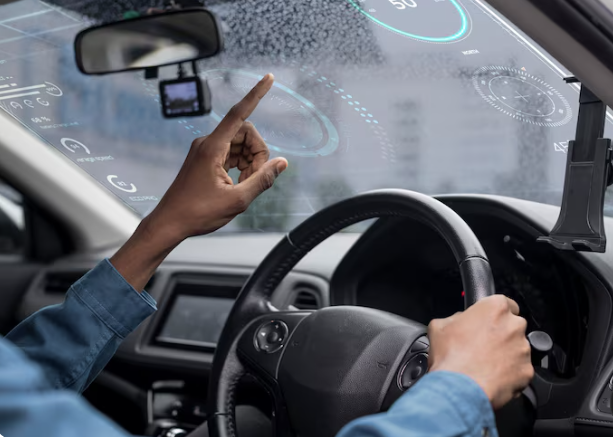
Everyday driving involves dozens of small decisions. Drivers judge gaps in traffic, watch for pedestrians, find parking spaces, and adjust their routes when roads become congested. Smart automotive technology is changing how people manage these tasks by providing more information and assistance behind the wheel.
Some features are immediately noticeable, such as a reversing camera or a navigation alert. Others work quietly in the background, monitoring tire pressure or detecting signs of a possible collision. Together, these systems can make routine journeys easier to manage.
Their usefulness depends on understanding what they do, recognizing their limits, and using them with attention. The most valuable technology supports the driver’s judgment throughout the journey.
Helping Drivers Notice Potential Hazards
Modern vehicles can use cameras, radar, and other sensors to monitor parts of their surroundings. Depending on the vehicle and its equipment, these systems may warn drivers about nearby vehicles, lane markings, or obstacles.
Blind-spot warnings are one practical example. A light near the side mirror can indicate that another vehicle occupies an area that is difficult to see. Rear cross-traffic alerts may warn about approaching traffic while the driver reverses out of a parking space.
Forward collision warnings serve a different purpose. They alert the driver when the system detects a possible collision ahead. Automatic emergency braking may also intervene under certain conditions.
These features add another source of information, but their detection capabilities vary. Weather, dirty sensors, road conditions, and the type of obstacle can affect performance. Mirror checks, direct observation, and appropriate following distances remain essential.
Making Traffic Less Tiring
Stop-and-go traffic demands repeated acceleration and braking. Adaptive cruise control can reduce some of this workload by adjusting speed to help maintain a selected gap behind a vehicle ahead.
Some systems support low-speed traffic operation, while others have more limited operating ranges. Drivers need to understand the specific behavior of their vehicle, including whether the system stops completely and how it resumes movement.
Lane departure warnings and lane-centering assistance can also help during suitable driving conditions. A warning may signal an unintended movement out of the lane, while a steering assistance feature may make small corrections.
These functions require supervision. Faded markings, construction zones, sharp curves, or unusual traffic situations can create difficulties. Drivers must remain ready to steer, brake, and take control whenever needed.
Used appropriately, assistance systems can make a familiar commute feel more manageable without removing the need for active driving.
Providing More Useful Navigation
Connected navigation helps drivers respond to changing conditions along a route. Instead of relying only on a fixed map, compatible systems can incorporate traffic information and suggest alternatives when delays develop.
For everyday journeys, this can help with decisions such as leaving earlier, choosing another road, or informing someone that arrival will be delayed. Estimated arrival times provide a useful planning tool, although they remain estimates.
Navigation also makes unfamiliar areas easier to approach. Clear lane guidance and spoken directions can reduce uncertainty near complicated junctions.
However, a suggested route still needs judgment. A narrow road, temporary restriction, or unsuitable turning may make an alternative less practical than it appears on the screen. Road signs and actual conditions take priority over digital instructions.
Setting the destination before departure also helps keep attention on driving.
Reducing Uncertainty When Parking
Parking technology addresses a common source of stress: judging the space around a vehicle at low speed.
Reversing cameras improve visibility behind the car, while parking sensors provide warnings as the vehicle approaches detected obstacles. Surround-view systems combine camera images to help drivers understand their position relative to nearby objects.
These features can be particularly useful in tight garages, crowded parking areas, and spaces bordered by low walls or posts. Some vehicles also offer parking assistance that controls steering or additional parts of the maneuver.
The display does not show every hazard equally well. Camera images can distort distance, and sensors may miss certain objects. Drivers should check the surroundings directly, move slowly, and stop when visibility is uncertain.
The practical benefit comes from combining the technology with careful observation.
Simplifying Access to Calls, Music, and Directions
Smartphone integration allows compatible vehicles to present selected phone functions through the car’s display and audio system. Drivers can access directions, listen to music, and handle supported communication functions without holding the phone.
Voice controls can simplify short tasks such as choosing a destination or changing audio. Steering-wheel buttons can also reduce the need to reach for a screen.
Good interface design matters here. A clear display and predictable controls make common actions easier to complete. A complicated menu can turn a simple adjustment into a distraction.
Hands-free interaction still requires attention. Long conversations, repeated voice-command attempts, and browsing menus can interfere with driving. Completing setup before departure and leaving complex tasks until the vehicle is parked keeps these features useful.
Improving Everyday Comfort
Smart comfort features often receive less attention than safety systems, yet they can make a noticeable difference during regular use.
Automatic climate control adjusts heating or cooling toward a selected temperature. Automatic headlights and rain-sensing wipers can respond to changing conditions, reducing the number of small adjustments a driver needs to make.
In vehicles with memory settings, different drivers may be able to restore their preferred seat and mirror positions. Supported remote functions may allow owners to check the vehicle’s lock status or prepare the cabin before a journey.
Availability varies by model, connectivity, and service requirements. The most useful features are those that fit the owner’s routine and work reliably with minimal effort.
Comfort technology also benefits from sensible defaults. A feature that needs frequent correction can create more work than it saves.
Making Vehicle Condition Easier to Monitor
Smart automotive technology can help drivers stay informed about maintenance and operating conditions.
Tire-pressure monitoring warns when the system detects a pressure issue. Maintenance reminders help owners track scheduled servicing, while vehicle messages may flag faults requiring attention.
Some connected systems provide additional vehicle-status information through an app. This can make it easier to notice an alert before the next journey or arrange a service appointment.
These tools provide guidance rather than a complete assessment of mechanical condition. An absence of warnings does not confirm that every component is working correctly. Unusual noises, vibration, visible damage, and changes in handling still deserve attention.
Regular inspections and servicing remain part of responsible ownership.
Understanding Updates, Connectivity, and Privacy
Software plays an expanding role in vehicle functions. Where supported, software updates may correct faults, improve compatibility, or change how certain features operate. Owners should follow the manufacturer’s instructions and understand any conditions required for an update.
Connectivity also creates practical questions. Some functions depend on mobile coverage, an active subscription, or a compatible phone. Knowing which features work offline helps avoid surprises.
Connected services may process location, vehicle-use, or account information. Reviewing permissions and removing personal data before selling a vehicle are useful ownership habits. Drivers who share a car should also understand how stored profiles and connected accounts are managed.
Choosing Features That Improve Real Journeys
The value of smart automotive technology becomes clearest during ordinary use: reversing out of a busy parking space, receiving an early warning about traffic, or noticing a tire-pressure problem before a long trip.
A long equipment list does not automatically create a better driving experience. Clear controls, understandable alerts, and dependable operation matter just as much as the number of available functions.
Drivers can get more from these systems by learning their settings, reading the relevant sections of the owner’s manual, and practicing unfamiliar controls while parked. With that understanding, smart technology can reduce routine effort and provide useful support throughout the day’s driving.
Read more: The Hidden Influence of Nature on Contemporary Art and Design
Comments