
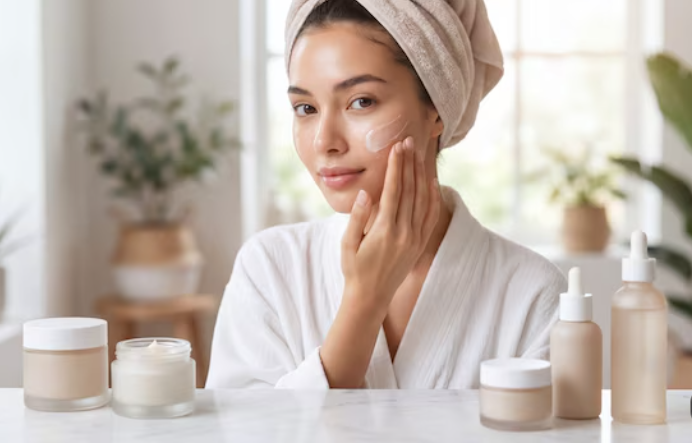
Your skin does not always feel the same throughout the year. A moisturizer that feels comfortable in winter may seem heavy during humid weather, while a refreshing summer cleanser might leave your face feeling tight when temperatures fall. Seasonal changes can influence how your skincare products feel and how often you need them.
A personalized routine starts with observing your skin and making thoughtful adjustments. You do not need a completely new collection of products every few months. A consistent foundation, supported by small changes in texture and frequency, can help you care for your skin through different conditions.
Start With Your Skin’s Usual Behavior
Before choosing seasonal products, consider how your skin behaves under ordinary conditions.
Dry skin may feel tight or develop rough patches. Oily skin tends to become shiny, particularly across the forehead, nose, and chin. Combination skin has areas with different needs, while balanced skin generally feels comfortable without pronounced dryness or oiliness.
Sensitivity can occur alongside any of these patterns. Your skin might react to fragrance, frequent exfoliation, or certain products even if it is also oily.
Pay attention to how your skin feels after cleansing and later in the day. Also consider your surroundings. Time spent in air conditioning, outdoor work, frequent swimming, and indoor heating can influence what feels comfortable.
These observations are more useful than choosing products solely because they are marketed for a particular season.
Build a Simple Foundation First
A manageable routine makes it easier to notice whether a seasonal adjustment helps.
Morning
Begin with a gentle cleanse if your skin needs it. Follow with a moisturizer suited to your comfort level and a broad-spectrum sunscreen with SPF 30 or higher. Apply sunscreen according to its label, including reapplication instructions.
Sun protection remains relevant throughout the year. Shade, protective clothing, and a hat can support sunscreen use when you spend time outdoors.
Evening
Remove makeup and sunscreen, then cleanse gently. Apply moisturizer afterward. If one cleanser removes everything comfortably, an additional cleansing step may be unnecessary.
Start with this foundation before adding optional products. A routine you can maintain consistently is more useful than a complicated sequence you frequently skip.
Spring: Reassess After Colder Weather
Spring is a good time to review products that felt necessary during winter. As conditions become warmer or more humid, a rich moisturizer may begin to feel excessive.
Try a lighter lotion if your existing cream feels uncomfortable. You can also apply different amounts to different areas, using less on an oily forehead and more on dry cheeks.
Keep cleansing gentle. Increased oiliness does not automatically mean your skin needs a stronger cleanser or more frequent washing.
Spring also offers an opportunity to check product condition and expiry dates. Follow the packaging’s storage guidance, and replace products that have changed unexpectedly in smell, color, or texture.
Introduce changes individually so you can identify what suits your skin.
Summer: Adjust for Heat, Sweat, and Humidity
Summer routines often benefit from textures that feel comfortable in warm conditions. Lightweight lotions or gel creams may suit some people, while those with dry skin may still prefer a cream.
Avoid dropping moisturizer simply because your face looks shiny. Instead, experiment with a smaller amount or a lighter formula.
After heavy sweating, cleanse gently when practical. Repeated scrubbing or washing throughout the day can leave skin uncomfortable. Patting with a clean towel is gentler than rubbing.
Make sun protection easy to maintain. Choose a sunscreen you are comfortable applying in the recommended amount, and follow its directions for reapplication. For swimming or activities that cause sweating, look for a water-resistant option and check the label carefully.
If you spend most of the day in air conditioning, your skin may need more moisture than the outdoor humidity suggests.
Autumn: Respond to Increasing Dryness
As the air becomes cooler or drier, notice whether your usual products still leave your skin comfortable.
Tightness after washing may be a reason to reconsider your cleanser. A gentle, less stripping formula can make the routine easier to tolerate.
You may also benefit from a richer evening moisturizer. Apply it while your skin is slightly damp if that feels comfortable, and give extra attention to areas that become dry first.
Autumn is also a useful time to review optional exfoliating products. If your skin starts stinging, flaking, or feeling tender, pause those products instead of trying to scrub away the roughness.
Make changes in response to your skin’s condition rather than the calendar alone.
Winter: Prioritize Comfort and Gentle Care
Cold weather, wind, and indoor heating can make dryness more noticeable. A richer cream may feel more comfortable than the lotion you used during summer.
Use lukewarm water when washing, and avoid prolonged exposure to very hot water. Pat your face dry gently and follow with moisturizer.
Remember areas beyond the face. Hands and lips often need additional attention, especially after washing or spending time outdoors. Keep suitable moisturizers accessible so applying them becomes part of your normal routine.
Continue using sun protection when appropriate, including during outdoor winter activities.
If your skin feels irritated, simplify your routine. Adding several new products to address discomfort can make it harder to identify what is helping.
Personalize for Your Climate and Lifestyle
Seasonal skincare advice should reflect where you live. A tropical climate may involve humid months and a drier period rather than four sharply different seasons. Elsewhere, indoor conditions may affect your skin more than the weather outside.
Travel can temporarily change your needs too. You might require a richer moisturizer in a dry destination or prefer lighter products in a humid one.
Keep a brief note of changes that work. Record the weather, the product adjustment, and how your skin feels over the following days. Over time, this can reveal patterns without requiring a complicated tracking system.
Introduce Products Carefully
Change one product at a time, particularly if your skin reacts easily. Try a new product on a small area first, following any testing instructions provided by the manufacturer. This can help you notice a reaction, although it cannot guarantee the product will suit your whole face.
Avoid assuming that a higher price, a long ingredient list, or a “natural” label makes a product a better match. Comfort, tolerance, and consistency matter more.
Persistent redness, cracking, itching, or painful breakouts deserve professional assessment. Seasonal adjustments may improve comfort, but they do not explain every skin concern.
Build a Routine That Can Adapt
A personalized skincare routine should be stable enough to follow and flexible enough to change. Keep gentle cleansing, suitable moisturizing, and sun protection at its center. Adjust product texture, amount, and optional steps as your skin and surroundings change.
The goal is to understand what keeps your skin comfortable across the year. Small, deliberate adjustments make that easier than repeatedly starting from scratch.
Read more: What Every Car Owner Should Know Before Planning a Long Road Trip
Comments