
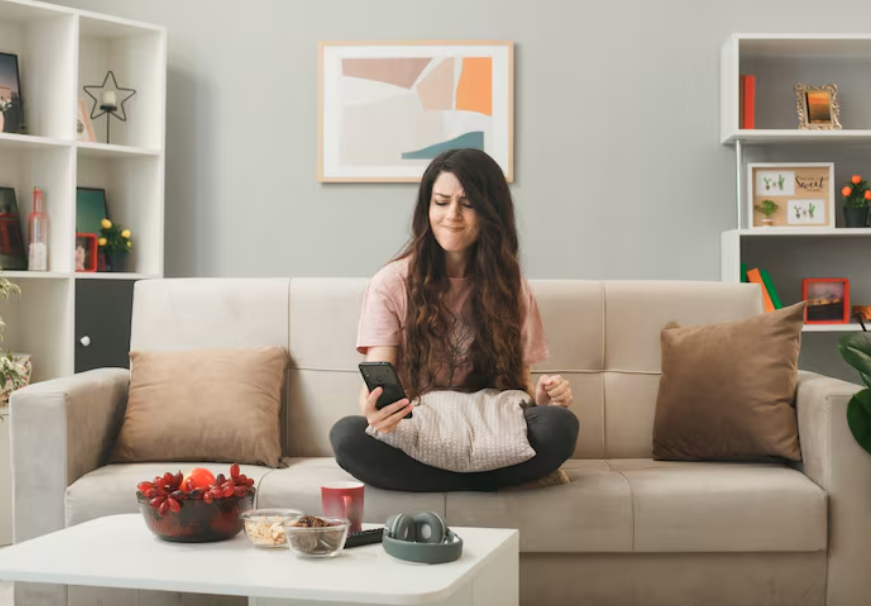
A beautiful home should also be easy to live in. A sofa may look impressive in a photograph, but it needs to feel comfortable during a quiet evening. An attractive dining area should leave enough space to move around, and a stylish bedroom should support the routines of everyday life.
Combining comfort and style begins with understanding how you use your home. Furniture, lighting, colors, and accessories work best when they serve that purpose while creating a cohesive appearance.
You do not need a complete renovation to achieve this balance. Small adjustments can make familiar rooms feel more welcoming, practical, and visually considered.
Plan Around Everyday Activities
Before choosing decorative details, consider what happens in each room. A living room might accommodate conversation, television, reading, and occasional work. A bedroom may also need space for dressing or storage.
Identify the activities that matter most and arrange the room around them. If reading is a daily habit, provide a comfortable chair, a nearby surface, and suitable lighting. If the family gathers for conversation, position seating so people can see and hear one another comfortably.
Pay attention to movement. Frequently used routes should remain easy to navigate, and doors and drawers need room to open.
A useful exercise is to walk through the room as you normally would while carrying a laundry basket or serving tray. This can reveal awkward furniture placement that is less obvious when simply looking at the space.
Choose Furniture for Fit and Feel
Furniture should suit both the room and the people using it. A large sectional can overwhelm a compact living area, while several small pieces may make a spacious room feel scattered.
Measure the space before buying, including doorways and access routes. Consider how a piece relates to nearby furniture rather than judging it in isolation.
Comfort deserves a practical assessment. Seat height, cushion firmness, back support, and upholstery texture all influence how enjoyable furniture is to use. When possible, try a chair or sofa in the position you would normally sit.
Look for a balance between appearance and maintenance. Removable covers, accessible cleaning surfaces, and materials suited to household use can help furniture remain attractive over time.
Use Color to Create Continuity
A coordinated palette helps different parts of a home feel connected. This does not require identical colors in every room. Repeating a few tones through textiles, artwork, and furniture can create continuity while allowing variation.
Begin with colors you enjoy living with. Soft neutrals offer flexibility, but deeper shades and brighter accents can also feel welcoming when used thoughtfully.
Test paint samples in the room before committing. The same shade can appear different beside various materials and under changing daylight.
If replacing major items is impractical, use existing furniture as the starting point. A rug, cushion, or artwork can connect colors that initially seem unrelated.
Add Texture for Warmth and Interest
Modern interiors often feature simple shapes and smooth surfaces. Texture adds depth and makes these spaces feel more inviting.
Try combining a woven rug, cotton curtains, a textured cushion, and a wooden side table. Each material contributes something different without requiring a busy color scheme.
Balance is useful here. If a room already contains strongly patterned upholstery, quieter textures may provide enough interest elsewhere. In a largely plain room, a more pronounced weave or textured throw can become a focal point.
Choose materials according to how they will be used. A delicate textile may suit a decorative cushion, while a frequently used seat needs fabric that can handle regular wear.
Create Layers of Lighting
A single ceiling light rarely suits every activity or time of day. Combining general, task, and accent lighting gives a room more flexibility.
General lighting helps people move around. Task lighting supports activities such as reading, cooking, or working. Accent lighting can highlight artwork or bring attention to a particular corner.
In a living room, a ceiling fixture might provide overall illumination while a floor lamp serves a reading chair. A table lamp can offer a softer option when brighter light is unnecessary.
Position lights to reduce uncomfortable glare and avoid placing screens directly opposite strong reflections. Accessible switches also make the arrangement easier to use.
Make Storage Part of the Design
A comfortable room needs somewhere for everyday belongings to go. Without practical storage, attractive surfaces can quickly become crowded.
Place storage near the activity it supports. Keep reading materials beside seating, shoes near the entrance, and frequently used kitchen items close to their work areas.
A combination of open and closed storage often works well. Closed cupboards conceal practical supplies, while shelves provide space for selected books and personal objects.
Avoid filling every available surface. A little open space makes items easier to reach and gives decorative pieces room to be noticed.
Soften the Room With Rugs and Curtains
Rugs and curtains can make a room feel more complete while introducing color and texture.
Choose a rug size that relates clearly to the furniture arrangement. In a seating area, a rug that connects the main pieces usually feels more intentional than one that appears isolated between them. Keep edges secure and clear of door swings or frequently used routes.
Curtains should support the room’s practical needs, including privacy and control of daylight. Consider how easily they open and whether their length suits the household.
Window treatments can also repeat a color or soften the contrast between walls and furniture, helping the overall design feel more cohesive.
Include Personal Details
A stylish interior becomes more comfortable when it reflects the people who live there. Photographs, meaningful artwork, handmade objects, and favorite books can give a room character.
Choose pieces you enjoy seeing rather than filling space simply because it is empty. Grouping a few related objects can create a clearer display than scattering many small items throughout the room.
Personal details do not need to match perfectly. Their placement, scale, or shared colors can connect them to the wider design.
Leave room for the home to evolve. An interior can feel considered without appearing permanently finished.
Improve the Space Gradually
Start with the part of the room that causes the most inconvenience. This might be an uncomfortable chair, poor lighting, a crowded walkway, or belongings without a storage place.
Resolve that issue, then assess the room again before adding more. Moving a lamp or rearranging existing furniture may make a greater difference than purchasing another decorative item.
Comfort and style work together when each decision supports daily life. Thoughtful layouts, pleasant materials, adaptable lighting, and meaningful details can create a modern interior that looks appealing and feels natural to use.
Read more : Practical Home Improvement Ideas That May Increase Property Appeal