
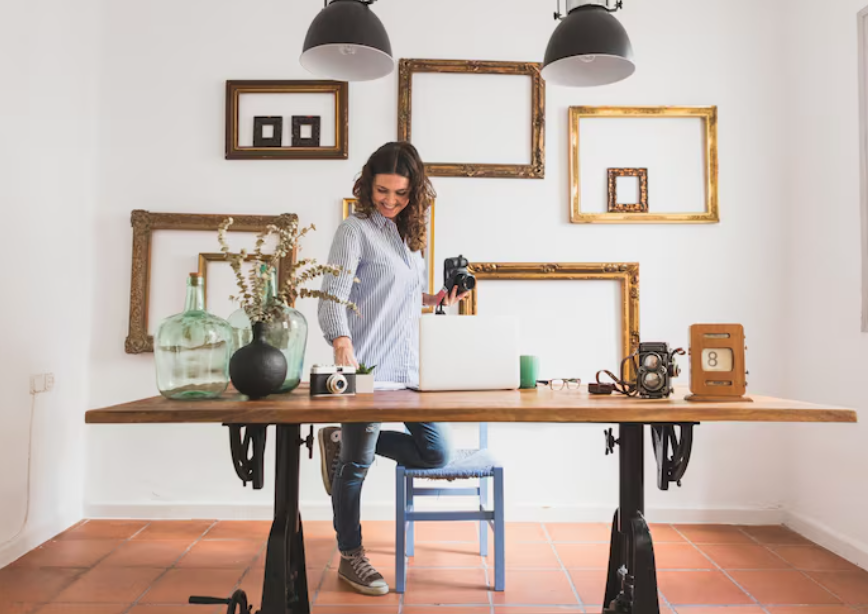
A small living space can feel comfortable, welcoming, and full of personality. Its size does not have to limit how well it functions or how much you enjoy spending time there. Often, the biggest improvements come from changing furniture placement, reducing visual clutter, and making better use of light.
Decorating a compact home involves balancing what you need with the space available. Thoughtful choices can create clearer views, easier movement, and a sense of openness without sacrificing warmth.
Create Clear Paths Through the Room
Before choosing paint colors or accessories, examine how you move through the space. A room can feel cramped when furniture interrupts the route between doors, seating, and frequently used areas.
Arrange larger pieces first, leaving comfortable access to windows, cupboards, and entrances. Avoid placing a table where you must repeatedly turn sideways to pass it.
Furniture does not always need to sit against every wall. In some rooms, moving a chair slightly away from a corner creates a more deliberate seating arrangement. In others, placing a sofa along the longest wall opens the center.
Try different layouts before buying anything. Moving an existing piece may solve a problem that initially appears to require new furniture.
Choose Furniture That Fits Its Purpose
Small rooms do not necessarily need miniature furniture. Several undersized pieces can create a busy appearance while providing less comfort than one well-chosen item.
Measure the room and consider how each piece will function. A comfortable sofa with a slim frame may work better than two bulky armchairs. A narrow dining table could provide the seating you need without dominating the room.
Pay attention to depth as well as width. Deep sofas, oversized sideboards, and thick chair backs can consume valuable floor space.
Furniture with visible legs can expose more flooring and create a lighter appearance. Balance these pieces with practical storage so the room remains useful.
Build a Connected Color Palette
A coordinated palette can help a small space feel visually connected. This is particularly useful when the living, dining, and kitchen areas share one room.
Choose a few colors that work well together and repeat them through walls, furniture, and textiles. Soft whites, warm neutrals, muted greens, and gentle blues are possible starting points, depending on the light and atmosphere you prefer.
Light colors can contribute to an airy appearance, but darker shades can also work in compact rooms. A consistent deep color may create a calm, enveloping effect.
Consider the contrast between large surfaces. Strongly contrasting walls, curtains, and furniture create more visual divisions. Similar tones can soften those boundaries.
Test paint samples in the room and view them at different times before deciding.
Make the Most of Available Light
Natural light can help a room feel more open, so consider what may be blocking it.
Keep tall furniture away from windows where practical. Choose window treatments that provide the privacy you need while allowing daylight through. Curtains that can pull fully clear of the glass help preserve the opening.
For artificial lighting, combine several sources rather than relying entirely on a bright ceiling fixture. A floor lamp beside a chair, a wall light, and a small table lamp can illuminate different areas.
Wall-mounted lights are especially useful when side-table space is limited. Plan their placement around how you actually read, work, or relax.
Position Mirrors With Intention
Mirrors can reflect light and extend a view, making them useful decorating tools in compact interiors.
Place a mirror where it reflects something attractive, such as a window, artwork, or an uncluttered part of the room. Check the reflection from the positions where you usually sit and enter.
A large mirror may create a calmer effect than several small ones, although either can work with the room’s style. Avoid positioning one where it repeatedly reflects clutter or produces uncomfortable glare.
Choose a size and frame that suit the surrounding furniture, and secure it appropriately for its weight and mounting surface.
Use Vertical Space for Storage
When floor area is limited, wall space becomes valuable. Tall shelving, wall-mounted cabinets, and hooks can provide storage without spreading belongings across the room.
Combine open and closed storage. Open shelves display books and a few decorative objects, while cupboards conceal items that are useful but visually busy.
Leave some breathing room between displayed objects. Filling every shelf can make a tall unit feel more imposing.
Use higher shelves for items you need less often, keeping everyday belongings within comfortable reach. Secure tall furniture according to the manufacturer’s instructions.
Select Pieces That Serve More Than One Need
Furniture with more than one function can reduce the number of separate pieces required.
Useful possibilities include:
- An ottoman with storage that also provides occasional seating
- A drop-leaf table that expands when needed
- Nesting tables that separate for guests
- A bed with accessible storage underneath
- A compact desk that also works as a console
Check how the furniture operates before purchasing. A sofa bed needs enough room to open, and storage drawers need clearance.
The most useful piece is one that handles your regular activities comfortably, rather than offering extra functions you rarely use.
Give Open Rooms Distinct Areas
A single room may need to accommodate dining, work, and relaxation. Gentle visual boundaries can help each activity feel organized.
A rug can define the seating area, while a pendant light can mark a dining table. A change in furniture orientation may separate a desk from the rest of the room.
Avoid introducing bulky dividers unless privacy requires them. Low storage or an open shelving unit may provide enough separation while preserving views across the space.
Repeat colors or materials between areas so they still feel connected.
Simplify Accessories Without Losing Character
Personal objects make a home feel lived in. The aim is to give them enough space to be appreciated.
Group smaller objects rather than scattering them across every surface. One larger artwork can provide a clear focal point, while a carefully arranged gallery wall can bring structure to a collection.
Use texture to add warmth through cushions, curtains, woven baskets, or a rug. Choose a few materials that complement one another instead of introducing many competing patterns.
Keep frequently used surfaces partly clear. A coffee table with room for a drink and a book feels more practical than one covered entirely with decoration.
Make Everyday Organization Easy
Decorating works best when the room is easy to maintain. Give everyday items a convenient place near where you use them.
A tray by the entrance can collect keys, while a basket beside the sofa can hold a blanket. Cable management can reduce visual distraction around a television or desk.
Small living spaces feel more generous when furniture, light, and storage support everyday life. By creating clear paths, choosing useful pieces, and keeping the overall design connected, you can make a compact room feel open, comfortable, and distinctly your own.
Read more : Practical Home Improvement Ideas That May Increase Property Appeal