
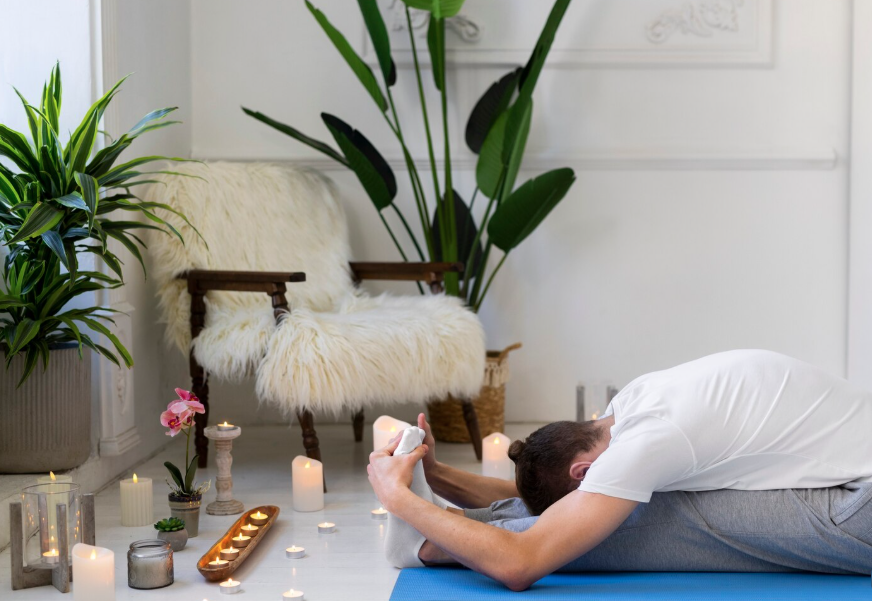
In today’s busy world, finding time to relax and reconnect with oneself has become increasingly important. Many people explore different wellness practices to reduce stress, improve awareness, and encourage a sense of inner balance. Among these practices, Tantric Massage is often associated with mindfulness, gentle touch, relaxation, and the connection between the body and mind. Inspired by traditional Tantric philosophies, this approach focuses on being present, appreciating physical awareness, and creating a peaceful environment where individuals can take a break from everyday pressures.
Understanding the Traditional Background of Tantric Massage
Tantric traditions have historical roots in spiritual and philosophical practices originating in India. These traditions explore the relationship between awareness, energy, consciousness, and the human experience. Although modern massage approaches may incorporate ideas inspired by Tantra, traditional Tantra itself is much broader than a physical wellness treatment.
The modern interpretation of Tantric-inspired massage often emphasizes relaxation, breathing, sensory awareness, and mindful experiences. Rather than concentrating exclusively on physical techniques, it encourages individuals to slow down and become more attentive to their thoughts, feelings, and bodily sensations.
Understanding this background helps distinguish traditional philosophical teachings from contemporary massage practices. It also highlights the importance of approaching such experiences with respect, awareness, and realistic expectations.
The Importance of Relaxation and Mindfulness
Relaxation is an essential part of maintaining overall well-being. Daily responsibilities, professional commitments, and personal challenges can create physical and mental tension. Mindfulness offers an opportunity to step away from these distractions and focus on the present moment.
Tantric-inspired massage incorporates mindfulness by encouraging a calm atmosphere and attentive movements. Participants may be guided to notice their breathing, release unnecessary tension, and become more aware of physical sensations.
This approach can make relaxation feel more intentional. Instead of treating a massage as simply a physical activity, mindfulness encourages a deeper appreciation of the experience.
Some commonly appreciated aspects include:
- Developing greater awareness of bodily sensations.
- Encouraging slower and more controlled breathing.
- Creating opportunities for mental relaxation.
- Reducing everyday distractions.
- Supporting a peaceful and comfortable experience.
These elements can contribute to a greater sense of calm, although individual experiences and benefits naturally vary.
Traditional Techniques and Their Modern Interpretations
Different massage practices use various methods to encourage relaxation. Tantric-inspired experiences may incorporate gentle movements, controlled breathing, and an emphasis on personal awareness.
Gentle and Mindful Touch
Gentle touch is an important element of many relaxation-focused massage approaches. Slow, attentive movements can encourage individuals to relax and become more conscious of physical sensations. The emphasis is on comfort, communication, and maintaining an appropriate level of pressure.
Conscious Breathing
Breathing exercises can help establish a relaxed atmosphere. Participants may be encouraged to take slow, comfortable breaths while focusing on the natural rhythm of inhaling and exhaling.
Conscious breathing is also commonly used in meditation because it provides a simple way to redirect attention away from stressful thoughts.
Body Awareness
Body awareness involves noticing areas of tension, physical comfort, and changes in sensation. This practice encourages individuals to understand how their bodies respond to stress and relaxation.
Rather than rushing through an experience, attention is given to the present moment and individual comfort.
Meditative Relaxation
Meditation-inspired techniques may also form part of a contemporary Tantric wellness experience. Quiet surroundings, focused attention, and peaceful breathing can help create an environment suitable for reflection and relaxation.
Creating a Peaceful Environment
The surrounding environment can significantly influence how comfortable and relaxing a massage experience feels. A suitable setting should provide privacy, cleanliness, and a welcoming atmosphere.
Soft lighting, comfortable temperatures, clean towels, and an uncluttered space can contribute to a peaceful environment. Background music may also help some individuals feel more relaxed, although personal preferences differ.
Privacy is particularly important because relaxation requires a sense of security. Individuals should feel comfortable communicating their expectations, asking questions, and expressing any concerns before a session begins.
A professional environment should always respect personal boundaries and individual choices.
Communication, Consent, and Personal Boundaries
Communication is one of the most important considerations when exploring any massage experience. Before beginning, individuals should understand what the session involves, which techniques may be used, and what professional boundaries apply.
Consent should be clear, informed, and ongoing. Every participant should have the freedom to communicate preferences, decline particular techniques, or stop the experience whenever necessary.
A responsible practitioner should explain the process without creating unrealistic expectations or pressuring anyone into activities that make them uncomfortable.
Important considerations include:
- Discussing expectations before the session.
- Understanding the techniques being offered.
- Establishing clear personal boundaries.
- Confirming hygiene and professional standards.
- Respecting the right to pause or end a session.
These principles help establish trust and make the experience more comfortable for everyone involved.
Potential Benefits for Mental and Physical Well-Being
People explore mindful massage practices for different reasons. Some are interested in relaxation, while others appreciate the opportunity to focus on their breathing and physical awareness.
A comfortable massage experience may help some individuals feel less tense and more relaxed. Mindful breathing and meditation-inspired activities may also support stress management by encouraging attention to the present moment.
Other potential benefits may include improved awareness of physical tension, a greater appreciation of relaxation, and an opportunity to disconnect temporarily from daily responsibilities.
However, it is important to maintain realistic expectations. Massage is not a guaranteed treatment for anxiety, chronic pain, or medical conditions. Individuals experiencing persistent physical or psychological difficulties should seek appropriate professional healthcare advice.
Choosing a Suitable Massage Experience
Selecting an appropriate massage experience requires consideration of personal comfort, practitioner professionalism, and the techniques being offered.
It is helpful to understand the session structure before making a decision. Individuals should feel free to ask about the duration, environment, professional qualifications, hygiene arrangements, and boundaries.
Transparency is an important sign of a responsible service. Clear information allows people to make informed decisions without feeling rushed or pressured.
Personal preferences should also guide the selection process. Some individuals prefer a quiet and meditative atmosphere, while others appreciate a more conventional relaxation-focused massage.
The most suitable experience is one that respects individual needs and provides a comfortable, professional setting.
The Role of Self-Awareness in Everyday Life
The principles associated with mindfulness can extend beyond massage sessions. Developing awareness of breathing, recognizing physical tension, and taking regular moments to pause can become valuable everyday habits.
For example, spending a few minutes concentrating on breathing after work may help create a transition between professional responsibilities and personal time. Gentle stretching, meditation, and quiet reflection can also encourage a more balanced routine.
These simple practices do not require special equipment or complicated preparation. Consistency and personal comfort are often more important than the length of time spent practising them.
By developing greater awareness, individuals may become more attentive to their personal needs and better equipped to recognize when they need rest.
Conclusion
Tantric massage, particularly in its modern wellness interpretation, brings together ideas of relaxation, mindfulness, breathing, and body awareness. Its traditional philosophical background offers a broader perspective on the relationship between consciousness and personal experience.
Although contemporary massage practices should not be confused with traditional Tantric teachings, they can provide an opportunity to explore relaxation through mindful attention and gentle techniques. A peaceful environment, clear communication, professional conduct, and respect for personal boundaries remain essential.
Ultimately, the value of a mindful massage experience lies in creating time for relaxation, understanding personal comfort, and reconnecting with the present moment. By incorporating these principles into everyday routines, individuals can develop a more thoughtful approach to personal well-being and relaxation.
Read more : Understanding the Importance of Preventive Healthcare in Modern Life