
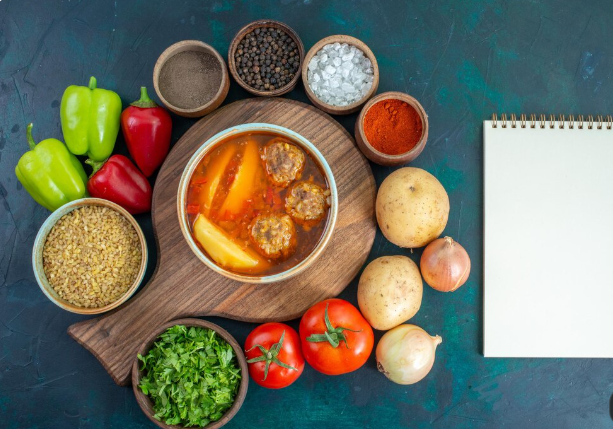
A satisfying homemade meal does not need a long shopping list. Rice, eggs, potatoes, beans, vegetables, and a few seasonings can become the foundation of countless dishes. What makes these ingredients interesting is how you prepare, combine, and season them.
Cooking with simple ingredients also gives you flexibility. You can adapt meals to what is available, use up small quantities, and discover combinations that suit your taste. Instead of starting with a complicated recipe, begin with what you already have and consider how to bring out its best qualities.
Build a Meal Around One Main Ingredient
Choose one ingredient as your starting point, then build the rest of the dish around it. This makes planning easier and prevents a meal from becoming unnecessarily complicated.
If you have potatoes, you could roast them with onions, mash them into vegetable patties, or simmer them in a lightly spiced tomato sauce. A tin of chickpeas could become a warm salad, a thick stew, or a filling for wraps.
Think about what the main ingredient needs. A mild base such as rice benefits from flavorful vegetables, seasoning, and a sauce. Richer ingredients may work well with something fresh or acidic.
A useful meal-building pattern is:
- A base, such as rice, bread, pasta, or potatoes
- A substantial addition, such as beans, lentils, eggs, or tofu
- Vegetables for flavor, color, and texture
- A finishing touch, such as herbs, lemon juice, or a sauce
You can adjust the proportions and ingredients according to your appetite and preferences.
Use Cooking Methods to Create Variety
The same vegetable can taste quite different depending on how it is cooked. Changing the method is one of the easiest ways to make familiar ingredients feel new.
Roasting carrots and onions develops browned edges and a sweeter flavor. Simmering them produces a softer texture suitable for soups and stews. Thinly sliced raw vegetables add crunch to sandwiches and bowls.
Avoid overcrowding a roasting tray when you want browning. Vegetables packed closely together tend to release moisture and steam. Cut pieces to a similar size so they cook more evenly, and check them as they soften.
For a simple meal, roast potatoes, carrots, and onions with oil and your preferred seasonings. Serve with beans and a spoonful of yogurt sauce, or add a cooked egg.
Build Flavor in Layers
Simple ingredients become more satisfying when seasoning happens throughout cooking.
Start with an aromatic ingredient such as onion, garlic, ginger, or spring onion. Cook it gently in a little oil, then add spices or other ingredients as appropriate. Keep an eye on garlic and ground spices because they can burn quickly.
Next, add the main ingredients and enough liquid for the dish. Taste as you cook, making small adjustments rather than adding large amounts of seasoning at once.
A finishing ingredient can change the whole result. Lemon juice can brighten lentils, fresh herbs can lift a tomato sauce, and toasted seeds can add a nutty contrast.
If a dish tastes flat, consider whether it needs acidity, aroma, or texture before reaching for more salt.
Give Rice, Pasta, and Bread Different Roles
Everyday staples offer more possibilities than their usual uses.
Freshly cooked rice can become the base of a vegetable bowl, a simple pilaf, or a comforting soup. Pasta can be tossed with beans, garlic, greens, and a little cooking water to bring everything together.
Bread can become toast topped with seasoned beans, a crisp accompaniment to soup, or breadcrumbs for vegetable patties. Cubed bread can also be toasted and added to salads just before serving.
For a quick pasta dish, gently cook sliced garlic in oil, stir in white beans and chopped greens, then add cooked pasta. Loosen the mixture with a little reserved pasta water and finish with black pepper and lemon juice.
The result uses a short list of ingredients while offering several textures and flavors.
Make Vegetables the Center of the Plate
Vegetables can provide the main structure of a meal rather than serving only as a side.
Try stuffing baked potatoes with spiced beans and sautéed onions. Cook cabbage with garlic and noodles, or turn grated vegetables into savory pancakes with flour, eggs, and seasoning.
A vegetable soup is another flexible option. Start with onion, add chopped vegetables and stock or water, then simmer until tender. Blend part of the soup if you want a thicker texture, or add cooked lentils for a more substantial dish.
Use delicate vegetables toward the end of cooking so they retain some texture. Firmer vegetables usually need more time.
Use Eggs, Beans, and Lentils Creatively
These ingredients can anchor many straightforward meals.
Eggs can become an omelet filled with cooked vegetables, a simple baked dish, or an addition to a rice bowl. Beans work in soups, wraps, salads, and mashed sandwich fillings.
Lentils can be simmered with onions, tomatoes, and spices, then served with rice or bread. They can also thicken soups or form the base of patties once cooked and drained.
For an easy chickpea filling, mash chickpeas roughly with lemon juice, a little oil or yogurt, chopped onion, and seasoning. Spoon into bread or wraps with sliced vegetables.
Leaving some chickpeas whole gives the filling a more interesting texture.
Learn a Few Adaptable Sauces
A small collection of simple sauces can make everyday meals feel different without requiring entirely new recipes.
Mix plain yogurt with herbs and lemon for a cool topping. Combine tahini with water and lemon juice for a creamy dressing, adding the liquid gradually until it reaches the consistency you want. Cook tinned tomatoes with onions and garlic for a sauce that works with pasta, beans, or eggs.
Taste sauces before serving and adjust them to the dish. A thick sauce may suit a sandwich, while a thinner version is easier to drizzle over roasted vegetables.
Keeping sauces separate until serving also allows people to choose how much they want.
Add Contrast With Small Finishing Touches
Texture can be as important as seasoning. A soft dish often benefits from something crisp, while a rich meal may feel more balanced with a fresh topping.
Try toasted breadcrumbs over pasta, chopped cucumber with a warm bean bowl, or a few nuts over roasted vegetables. Fresh herbs, sliced spring onions, and a spoonful of chutney can also add interest.
Choose one or two additions that complement the meal. Too many toppings can hide the flavors you have already developed.
Let Everyday Cooking Build Your Confidence
The more often you cook with familiar ingredients, the easier it becomes to improvise. You learn how much liquid a dish needs, which seasonings you enjoy, and what can substitute for a missing ingredient.
Keep brief notes about combinations that work. A successful lentil soup or vegetable filling can become a dependable starting point for future meals.
Simple cooking leaves plenty of room for creativity. A different preparation method, a well-chosen sauce, or a fresh finishing touch can turn ordinary ingredients into a homemade meal you look forward to eating.
Read more: Understanding Common Pet Behaviors and What They Reveal About Your Animal