
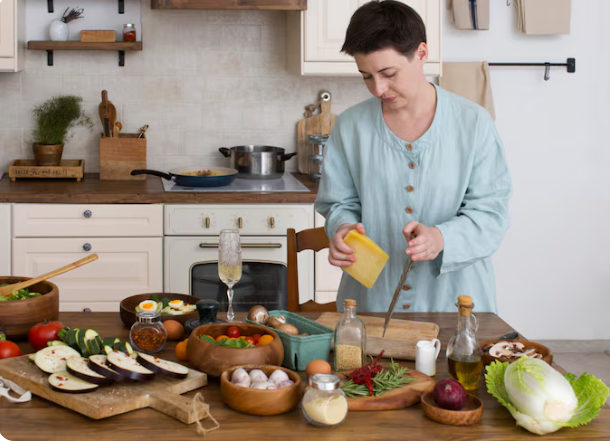
Everyday cooking can become repetitive when the same ingredients appear on the shopping list week after week. Familiar meals are convenient, but even a small change in produce can introduce different flavors, textures, and cooking possibilities.
Seasonal ingredients offer a useful starting point. Tender greens, ripe tomatoes, earthy roots, and fragrant citrus each suggest different ways to prepare a meal. Following their availability can make cooking feel more connected to what is fresh and appealing nearby.
Seasonal cooking does not require growing your own vegetables or abandoning convenient pantry staples. It begins with noticing what is available, choosing ingredients carefully, and adapting familiar recipes around them.
Understanding What Seasonal Means
A seasonal ingredient is generally harvested during its usual growing period in a particular region. That timing varies with climate, geography, weather, and farming methods.
A vegetable that grows during cooler months in one area may be available at a different time elsewhere. Supermarket availability can also reflect imports, greenhouse production, or storage rather than the local harvest.
For everyday cooking, seasonality is best treated as a guide to exploration. Ask sellers what has recently arrived, check where produce was grown, and pay attention to changes in local market displays.
You do not need a perfect seasonal calendar to begin. Learning when a few favorite ingredients are abundant can help you make more informed choices.
Giving Flavor a Central Role
Well-chosen seasonal produce can bring appealing flavor and texture to simple meals. A fragrant tomato, crisp radish, or tender bunch of greens may need only a few supporting ingredients.
Quality still depends on the variety, harvest timing, storage, and handling. A seasonal label alone cannot guarantee a better ingredient, so inspect produce before buying it.
When an ingredient tastes good on its own, preparation can be straightforward. Tomatoes might become a quick salad with herbs and a dressing. Sweet peas can brighten rice, while roasted carrots can become the main feature of a grain bowl.
This approach encourages cooks to taste before adding more seasoning. Instead of relying on a complicated sauce, they can build the dish around the ingredient’s existing qualities.
Adding Variety Without Learning Entirely New Recipes
Seasonal cooking works well with flexible meals. Soups, stir-fries, omelets, curries, pasta dishes, and rice bowls can accommodate many different vegetables.
A familiar recipe becomes a framework:
- Replace one leafy green with another, adjusting cooking time as needed.
- Change the vegetables in a tray bake according to availability.
- Use different fruits in a breakfast bowl or simple dessert.
- Add seasonal herbs to dressings, dips, and cooked grains.
For example, an omelet might contain tender greens during one part of the year and sautéed mushrooms during another. The cooking technique stays familiar, while the result changes.
Substitutions work best when texture and moisture are considered. Watery vegetables behave differently from firm roots, and delicate leaves need less cooking than thick stems.
Making Shopping More Responsive
A rigid shopping list can make it difficult to take advantage of attractive produce. Leaving room for a few substitutions allows the market to influence the week’s meals.
Rather than writing “two courgettes,” you might plan for “vegetables for a stir-fry.” You can then choose suitable options based on condition, price, and what you enjoy eating.
Seasonal abundance may offer good value, although prices also depend on transport, local supply, and demand. Compare prices rather than assuming that every seasonal item is inexpensive.
Most importantly, buy amounts you can realistically use. A large quantity offers little value if much of it is discarded before cooking.
Letting Ingredients Guide Cooking Methods
Different ingredients invite different techniques. Learning these relationships can make everyday preparation more intuitive.
Tender vegetables often suit quick sautéing, steaming, or brief cooking. Firm roots may benefit from roasting or simmering until soft. Juicy fruits can be served fresh or cooked into sauces and compotes.
Consider the result you want. Roasting can create browned edges and a concentrated flavor, while a soup retains cooking liquid as part of the dish. A raw preparation emphasizes crunch and freshness.
Seasonal cooking provides repeated opportunities to practice these choices. Over time, you become more comfortable deciding how to prepare an unfamiliar ingredient without needing a detailed recipe for every meal.
Planning Meals Around What Needs Using First
Fresh produce has different storage needs and useful lifespans. Delicate herbs and leaves may need attention sooner than sturdy vegetables.
After shopping, identify the ingredients that should be used first. Plan those into the next few meals, and store everything according to its particular needs.
A simple weekly sequence might begin with a leafy salad, followed by a vegetable stir-fry, then a soup made from remaining suitable ingredients. This gives each purchase a purpose while allowing adjustments.
Avoid washing everything automatically before storage, since some produce keeps better when washed shortly before use. Check ingredient-specific guidance when unsure.
Good planning makes seasonal cooking more convenient by reducing the number of forgotten items at the back of the refrigerator.
Using Pantry Staples to Keep Meals Practical
Seasonal ingredients do not need to carry the whole meal. Rice, pasta, lentils, beans, canned tomatoes, spices, and other pantry staples provide dependable foundations.
A pot of lentils can accompany roasted vegetables. Pasta can become a complete dish with sautéed greens and a suitable protein. Canned beans can add substance to a seasonal vegetable soup.
Frozen and canned ingredients also remain useful when fresh options are unavailable, costly, or inconvenient. Combining them with fresh produce makes the routine easier to maintain.
The aim is a workable kitchen where changing ingredients fit into familiar meals.
Preserving Surplus With Care
Occasionally, seasonal ingredients arrive in quantities greater than you can use immediately. Freezing suitable produce or preparing portions for later can help extend its usefulness.
Preparation depends on the ingredient. Some vegetables benefit from blanching before freezing, while others are better cooked into a dish first. Label containers with their contents and date so they remain easy to identify.
For canning and other preservation methods that require precise procedures, use a tested food-safety recipe rather than improvising. A recipe intended for immediate eating is not automatically suitable for shelf storage.
Building a More Enjoyable Cooking Routine
Start with one seasonal ingredient each week. Choose something appealing, prepare it using a familiar method, and notice what you would change next time.
Keep the combinations you enjoy. A small collection of adaptable recipes can make shopping easier and reduce the pressure to invent a new meal every day.
Seasonal ingredients improve everyday cooking by offering fresh starting points. They encourage attention to flavor, thoughtful shopping, and greater confidence with simple techniques. With a flexible approach, the changing produce available around you can become a steady source of ideas for the kitchen.
Read more: Understanding Common Pet Behaviors and What They Reveal About Your Animal