
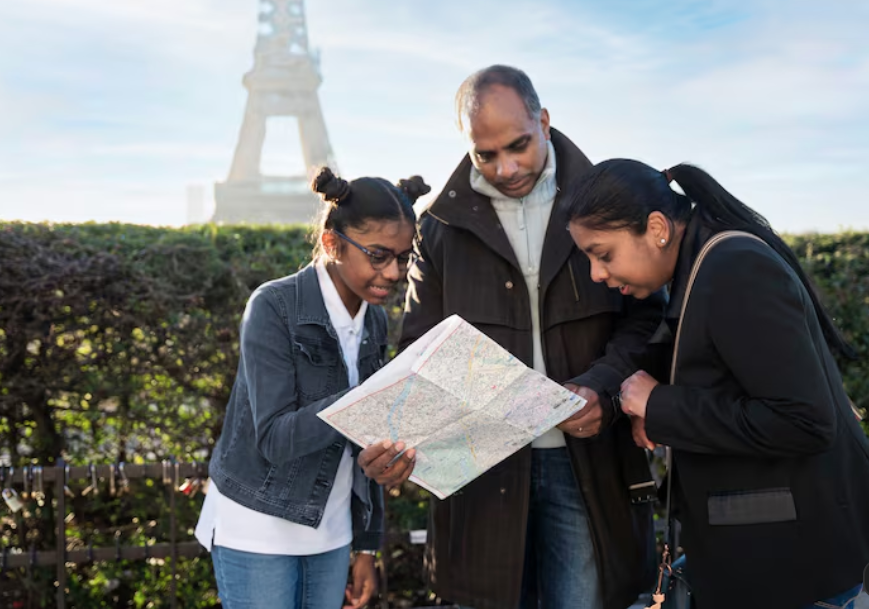
International travel offers the excitement of unfamiliar landscapes, famous landmarks, and a change of routine. Yet the moments that remain vivid after returning home are often more personal: learning how a dish is prepared, hearing a resident explain a neighborhood tradition, or understanding the significance of a place beyond its appearance.
Cultural experiences give destinations context. They connect buildings, food, language, and customs with the people whose lives shape them. Instead of seeing a country only through its attractions, travelers begin to appreciate its complexity.
Meaningful cultural travel does not require an elaborate itinerary. It begins with curiosity, time to listen, and respect for the communities being visited.
Moving Beyond a List of Attractions
Landmarks can introduce a destination’s history, but their meaning becomes clearer when travelers understand the stories around them.
A public square may be an architectural highlight, a meeting place, a market, and the setting for important political events. Learning about these different roles changes how someone experiences the space.
Museums, guided walks, books, and conversations can provide that context. They help visitors connect what they see with the events, beliefs, and decisions that shaped it.
This does not make sightseeing less valuable. It adds depth to the experience, turning a recognizable location into a place with a history and an ongoing life.
Understanding Everyday Life
Culture includes much more than festivals, historic clothing, or ceremonial performances. It also appears in ordinary routines: how people shop, commute, gather, and use shared spaces.
Visiting a neighborhood market or spending time in a public park can reveal details that a tightly scheduled tour might miss. Travelers may notice which foods are seasonal, how different generations interact, or how a neighborhood changes throughout the day.
Observation should remain considerate. Residential areas and places of worship are lived environments, and visitors should avoid treating people’s private activities as entertainment.
The aim is to understand everyday life while allowing it to continue comfortably.
Discovering Stories Through Food
Food offers an accessible connection to a destination, combining ingredients, geography, family practices, and history.
A regional dish may reflect the local climate, migration, trade, or religious customs. Learning why it is prepared in a particular way can make a meal more memorable than simply ordering something unfamiliar.
Cooking classes, market visits, and conversations with willing food producers can introduce these connections. Ask open questions about ingredients or preparation rather than expecting one person to explain an entire national cuisine.
Respect your own dietary needs and other people’s hospitality. Cultural curiosity does not require eating something that conflicts with an allergy, medical requirement, or personal belief.
Making Room for Genuine Conversation
A brief conversation can reveal a perspective that an itinerary cannot provide. A guide might explain how a neighborhood has changed, while an artisan may describe the patience involved in learning a craft.
These exchanges are most rewarding when they are mutual and unforced. Learn a few greetings, listen carefully, and accept that someone may be busy or prefer not to talk.
Language differences do not prevent connection, but they can limit nuance. Translation tools may help with practical communication, while patience and clarification help avoid misunderstandings.
Remember that one individual’s experience represents their own perspective. Countries and communities contain many different opinions, identities, and ways of living.
Appreciating Traditions in Context
Crafts, music, celebrations, and ceremonies can offer insight into how communities preserve and reinterpret shared knowledge.
Understanding the context matters. A textile pattern may carry a particular meaning, and a ceremony may have expectations about clothing, participation, or photography.
Ask what is appropriate before joining in. Some activities welcome visitors, while others are private, sacred, or restricted to particular participants.
A respectful experience does not depend on gaining access to everything. Recognizing a boundary can itself be an important part of understanding a place.
Supporting People Who Share Their Knowledge
Cultural experiences often depend on skilled work. Guides research their subjects, teachers prepare workshops, and artisans spend years developing techniques.
Choosing locally operated activities can create opportunities to learn directly from people connected to the subject. However, local ownership alone does not guarantee quality or respectful practice.
Look for clear descriptions, transparent prices, and an explanation of who leads the experience. Where community visits are involved, consider whether residents have agreed to participate and how they benefit.
Pay agreed fees fairly and ask permission before photographing people or their work. An invitation to observe does not automatically include permission to record or publish.
Challenging Assumptions
Travel can reveal how strongly expectations influence what people notice. A visitor may arrive with an image shaped by films, headlines, or social media, then encounter a much more varied reality.
Cultural learning encourages travelers to question quick conclusions. An unfamiliar custom may make more sense once its background is explained. A familiar custom may serve a different purpose in another setting.
Avoid ranking cultures through casual comparisons. Ask what a practice means in its own context and remain open to explanations that complicate your first impression.
Understanding does not require agreement with every practice. It requires enough care to distinguish informed judgment from an immediate reaction.
Leaving Time for Deeper Experiences
A packed schedule can make it difficult to absorb what you encounter. Moving constantly between attractions leaves little opportunity for questions, reflection, or an unexpected conversation.
Choose a few experiences that match your interests and give them sufficient time. Someone interested in architecture might explore one district with a knowledgeable guide. A food enthusiast might prefer a cooking workshop to several rushed restaurant visits.
Allow unscheduled time as well. Returning to a place, revisiting a museum section, or following up on something you learned can make a journey feel more connected.
Carrying the Experience Home
Cultural engagement can continue after a trip. Reading a translated novel, learning more of the language, or following an artist whose work you discovered can deepen an initial interest.
Travel memories also become richer when shared with context. Explain what you learned, acknowledge uncertainty, and avoid presenting a brief visit as complete knowledge of a country.
Cultural experiences make international travel meaningful by connecting places with people, histories, and everyday realities. Approached with curiosity and respect, they leave travelers with more than photographs: they offer questions, relationships, and perspectives that remain worth exploring long after the journey ends.
Read more : Simple Morning Beauty Habits That Help Maintain Naturally Glowing Skin